
Do you suffer from heel pain when you get up in the morning? If so, you should seek professional help and have a proper diagnosis performed. Heel pain can be caused by several different foot-related conditions.
Do you suffer from heel pain when you get up in the morning? If so, you should seek professional help and have a proper diagnosis performed. Heel pain can be caused by several different foot-related conditions.
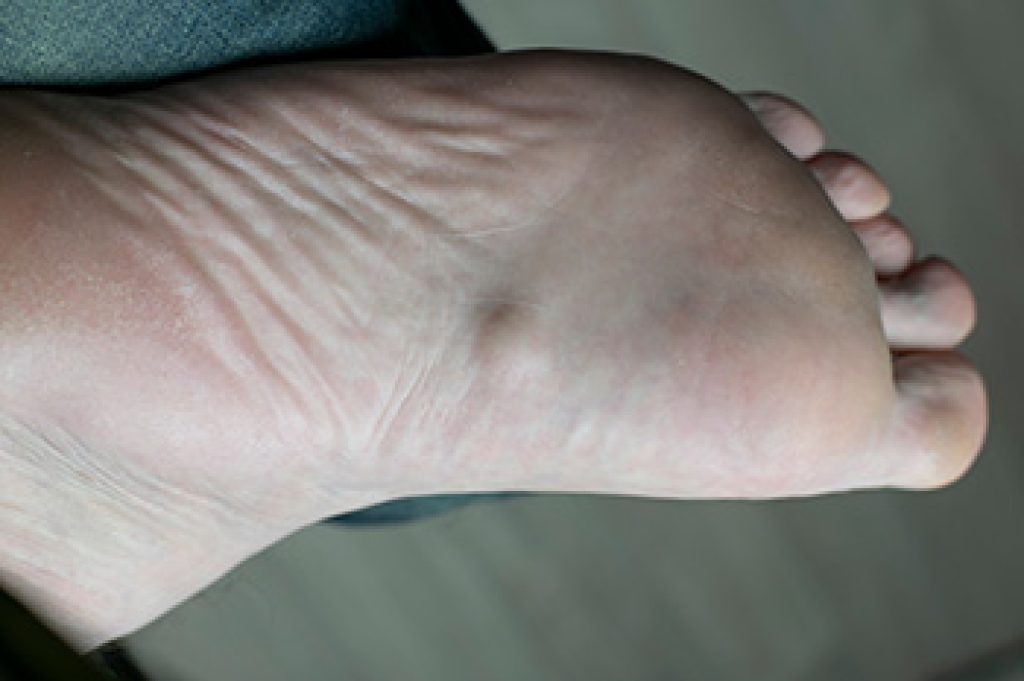
A plantar fibroma is a benign growth that develops within the plantar fascia, which is the thick band of tissue along the bottom of the foot. This condition is part of a group of disorders known as plantar fibromatosis and is characterized by the formation of firm nodules. These growths are non-cancerous, but can cause discomfort depending on their size and location. Plantar fibromas often develop slowly and may go unnoticed at first, but they can become more noticeable over time as pressure is applied during walking or standing.
Symptoms of a plantar fibroma include a small, firm lump in the arch of the foot that can be felt through the skin. The growth may be painless in the early stages but can lead to discomfort as it enlarges. Some individuals experience aching or pressure when walking, especially while wearing shoes that press against the arch. The appearance of the fibroma is typically a raised nodule under the skin, and it may feel fixed in place rather than movable. In certain cases, multiple nodules may develop, which can increase discomfort.
The exact causes of plantar fibroma are not fully understood, but several factors are believed to contribute. Repetitive stress on the foot, minor injuries, and strain on the plantar fascia may play a role in its development. Genetics may also influence the likelihood of developing this condition. Risk factors include high levels of physical activity, prolonged standing, and underlying health conditions that affect connective tissue. Men are more commonly affected than women, and the condition is often seen in middle-aged adults.
Managing plantar fibroma focuses on reducing discomfort and preventing progression. Wearing supportive footwear and custom orthotics can help relieve pressure on the affected area. Monitoring changes in size or pain can help guide treatment decisions. If you have developed a plantar fibroma, it is suggested that you consult a podiatrist for effective management solutions.
A plantar fibroma may disrupt your daily activities. If you have any concerns, contact one of our podiatrists of Summerlin Foot & Ankle. Our doctors can provide the care you need to keep you pain-free and on your feet.
Plantar Fibroma
A plantar fibroma is a fibrous knot in the arch of the foot. It is embedded in the plantar fascia which is a band of tissue that extends from the heel to the toes along the bottom of the foot. There can be multiple plantar fibromas in the feet at the same time. There are no known causes for this condition. If you have a plantar fibroma, there will be a bump in the arch of your foot that cannot be missed. Any associated pain is most often due to a shoe rubbing against the nodule. Non-surgical options, such as steroid injections, physical therapy, and orthotics should be tried first. Surgery is a last resort and is the only thing that will remove a plantar fibroma entirely. Consult with a podiatrist for a proper diagnosis and to determine the treatment regimen that is right for you.
What Causes a Plantar Fibroma?
While there are no specific causes identified, a plantar fibroma can possibly come from genetic predisposition or the formation of scar tissue that forms from healing the tears in the plantar fascia.
What Are the Symptoms of a Plantar Fibroma?
There will be a noticeable lump in the arch of the foot that may or may not cause pain. If pain is felt, it is typically because a shoe is rubbing up against the lump or when walking or standing barefoot.
Treatment and Prevention
A plantar fibroma will not disappear without treatment, but it can get smaller and be a non-issue. If pain persists, a podiatrist examines the foot and when the arch of the foot is pressed, pain can be felt down to the toes. An MRI or biopsy might be performed to help diagnose or evaluate the plantar fibroma. The following non-surgical options are generally enough to reduce the size and pain of these nodules:
Surgery is considered if the mass increases in size and the patient continues to feel pain after non-surgical methods are tried.
If you have any questions, please feel free to contact our office located in Las Vegas, NV . We offer the newest diagnostic and treatment technologies for all your foot care needs.

Tarsal tunnel syndrome is caused by compression of the tibial nerve as it travels through a narrow space on the inside of the ankle. This area, known as the tarsal tunnel, contains tendons, blood vessels, and the nerve that supplies sensation to the bottom of the foot. When the tibial nerve becomes irritated or compressed, it can lead to a range of uncomfortable symptoms. This condition is considered an unusual form of peripheral neuropathy because it affects nerve function and sensation in the foot.
Common symptoms include pain, numbness, tingling, and a burning sensation along the bottom of the foot or around the ankle. Some individuals may also experience muscle weakness or damage in the foot if the condition progresses. The discomfort may worsen with prolonged standing or walking and improve with rest. These symptoms can interfere with daily activities and reduce overall mobility if not addressed early.
Several causes and risk factors contribute to the development of tarsal tunnel syndrome. Swelling from an injury, such as an ankle sprain, can place pressure on the tibial nerve. Other causes include flat feet, varicose veins, or inflammation from chronic conditions. Risk factors include repetitive stress, wearing improper footwear, and occupations that require long periods of standing. Structural abnormalities in the foot can also increase the likelihood of nerve compression.
Early recognition and proper management can help prevent long-term complications. Treatment often focuses on reducing pressure on the nerve and improving foot alignment. Wearing supportive footwear, rest, and targeted exercises may help relieve symptoms. Addressing the underlying cause is essential for long-term relief and improved function. If you have symptoms of tarsal tunnel syndrome, it is suggested that you consult a podiatrist for an accurate diagnosis and appropriate treatment.
Tarsal tunnel syndrome can be very uncomfortable to live with. If you are experiencing tarsal tunnel syndrome, contact one of our podiatrists of Summerlin Foot & Ankle. Our doctors can provide the care you need to keep you pain-free and on your feet.
Tarsal Tunnel Syndrome
Tarsal tunnel syndrome, which can also be called tibial nerve dysfunction, is an uncommon condition of misfiring peripheral nerves in the foot. The tibial nerve is the peripheral nerve in the leg responsible for sensation and movement of the foot and calf muscles. In tarsal tunnel syndrome, the tibial nerve is damaged, causing problems with movement and feeling in the foot of the affected leg.
Common Cause of Tarsal Tunnel Syndrome
The Effects of Tarsal Tunnel Syndrome
A physical exam of the leg can help identify the presence of tarsal tunnel syndrome. Medical tests, such as a nerve biopsy, are also used to diagnose the condition. Patients may receive physical therapy and prescriptive medication. In extreme cases, some may require surgery.
If you have any questions please contact our office located in Las Vegas, NV . We offer the newest diagnostic and treatment technologies for all your foot and ankle needs.
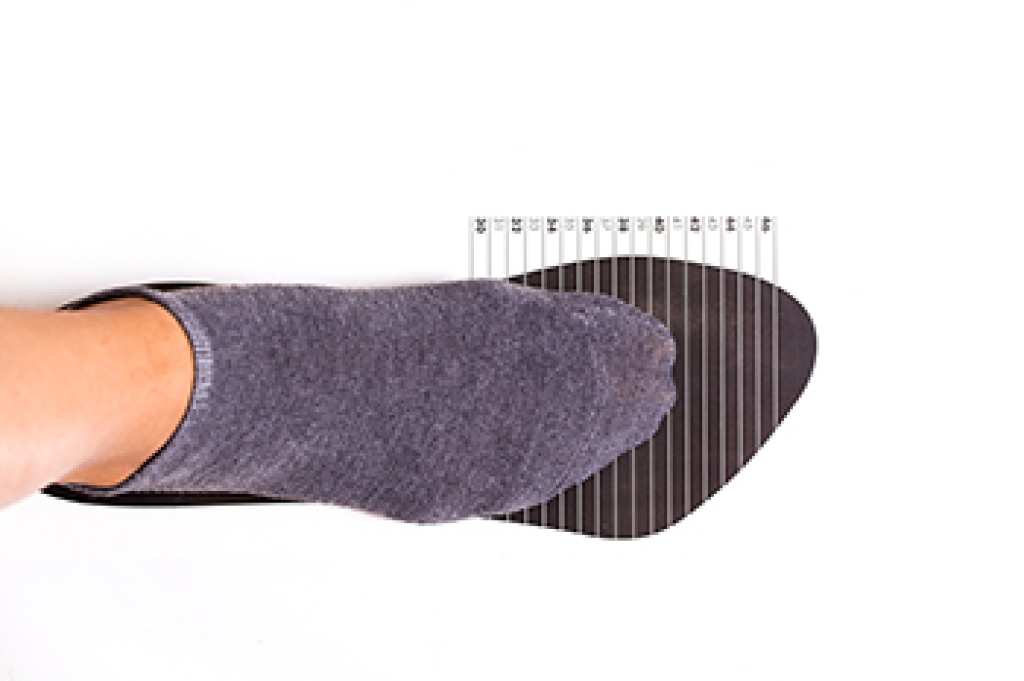
Proper shoe fitting is essential for maintaining foot health and preventing common foot problems. Shoes that fit correctly support natural movement, reduce pressure points, and improve overall comfort during daily activities. Wearing ill-fitting shoes can lead to pain, instability, and long-term complications. Learning how to measure and select the right shoe size helps protect the feet and supports proper alignment. A well-fitted shoe should provide enough room for the toes, secure support around the heel, and balanced cushioning throughout the foot.
To achieve an accurate fit, it is important to measure the feet at the end of the day when they are slightly swollen. Wearing the same type of socks that will be used with the shoes can also improve accuracy. Another helpful method is to trace the foot on paper and compare the outline against a shoe size chart. Trying on both shoes and walking around allows for a better sense of fit and support.
Wearing shoes that do not fit properly can lead to a range of foot problems. Common issues include blisters, bunions, hammertoes, and toenail damage. Shoes that are too tight may cause pressure and irritation, while shoes that are too loose can lead to instability and friction. These problems can affect posture, walking patterns, and overall foot function. Poor shoe fit may also contribute to heel pain, arch strain, and nerve irritation.
Choosing the right shoes and ensuring a proper fit can improve comfort, reduce injury risk, and support long-term foot health. Paying attention to sizing, width, and support features helps create a better fit for daily activities and exercise. Regularly checking shoe condition and replacing worn footwear is also important for maintaining support. If you have foot pain or difficulty finding shoes that fit properly, it is suggested that you consult a podiatrist for effective relief tips and guidance on proper shoe fit.
Getting the right shoe size is an important part of proper foot health. Seek the assistance of one of our podiatrists from Summerlin Foot & Ankle. Our doctors will provide the care you need to keep you pain-free and on your feet.
Getting the Right Shoe Size
There are many people who wear shoes that are the incorrect size, negatively affecting their feet and posture. Selecting the right shoes is not a difficult process, so long as you keep several things in mind when it comes to choosing the right pair.
As our feet hold our body weight and keep us moving, it is important to treat them right. Picking the right pair of shoes can provide your feet comfort and mobility without pain.
If you have any questions, please feel free to contact our office located in Las Vegas, NV . We offer the newest diagnostic and treatment technologies for all your foot care needs.
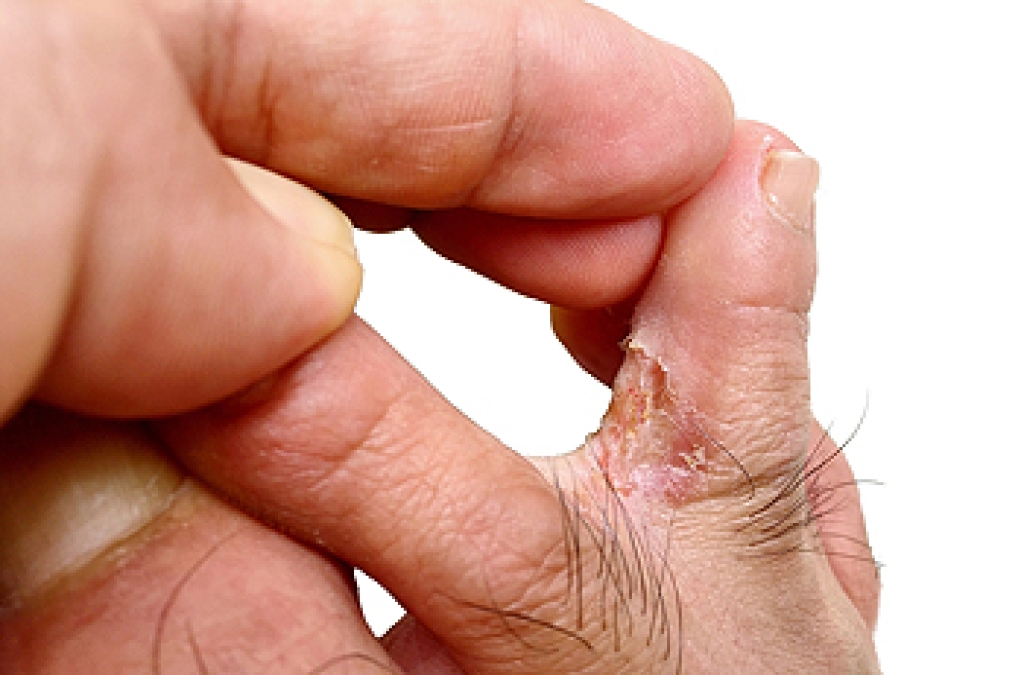
Athlete's foot is a fungal infection that affects the skin of the feet and can spread when left untreated. Fungi are tiny living organisms that grow well in warm, moist environments. The infection frequently begins between the toes, but it can also affect the soles, sides, or heels of the feet. Patients often notice itching, burning, or peeling skin. Redness and cracking can also develop, making walking uncomfortable. In more severe cases, blisters or painful skin splits can appear. Because several skin conditions produce similar symptoms, a podiatrist can perform a thorough examination to determine whether a fungal infection is causing the problem and recommend the most appropriate treatment.
Athlete's foot spreads through direct contact with infected skin or contaminated surfaces. Places like locker rooms, public showers, and swimming pool areas increase the chance of exposure. The infection also spreads through shared towels, socks, or shoes. Wearing shoes for long periods can create a warm, damp environment that encourages fungal growth. Patients with diabetes or weakened immune systems can have a greater risk of developing more severe infections. A podiatrist can identify the specific type of fungal infection and determine whether it has spread to the toenails or other areas of the foot.
Treatment depends on the severity of the infection and how much skin is involved. A podiatrist can prescribe antifungal medications that target the fungus and help clear the infection. Patients with more extensive infections sometimes require oral medication to improve treatment results. A podiatrist also evaluates the feet for skin damage, nail involvement, and signs of a bacterial infection that can develop when cracked skin allows bacteria to enter. Early diagnosis and podiatric l treatment can improve comfort, reduce the chance of recurring infections, and help protect long-term foot health. If you have symptoms of athlete's foot, it is suggested that you schedule an appointment with a podiatrist for effective relief and treatment solutions.
Athlete’s Foot
Athlete’s foot is often an uncomfortable condition to experience. Thankfully, podiatrists specialize in treating athlete’s foot and offer the best treatment options. If you have any questions about athlete’s foot, consult with one of our podiatrists from Summerlin Foot & Ankle. Our doctors will assess your condition and provide you with quality treatment.
What Is Athlete’s Foot?
Tinea pedis, more commonly known as athlete’s foot, is a non-serious and common fungal infection of the foot. Athlete’s foot is contagious and can be contracted by touching someone who has it or infected surfaces. The most common places contaminated by it are public showers, locker rooms, and swimming pools. Once contracted, it grows on feet that are left inside moist, dark, and warm shoes and socks.
Prevention
The most effective ways to prevent athlete’s foot include:
Symptoms
Athlete’s foot initially occurs as a rash between the toes. However, if left undiagnosed, it can spread to the sides and bottom of the feet, toenails, and if touched by hand, the hands themselves. Symptoms include:
Diagnosis and Treatment
Diagnosis is quick and easy. Skin samples will be taken and either viewed under a microscope or sent to a lab for testing. Sometimes, a podiatrist can diagnose it based on simply looking at it. Once confirmed, treatment options include oral and topical antifungal medications.
If you have any questions, please feel free to contact our office located in Las Vegas, NV . We offer the newest diagnostic and treatment technologies for all your foot care needs.
