Items filtered by date: March 2026
Symptoms of Plantar Fasciitis

Plantar fasciitis occurs when the plantar fascia underneath the foot becomes irritated or inflamed. The plantar fascia is a wide band of tissue along the bottom of the foot that connects the heel bone to the toes and supports the arch. A major sign of plantar fasciitis is sharp heel pain with the first steps in the morning or after sitting for a while. The pain may lessen with movement but often returns after standing, walking, or climbing stairs. Some people feel aching or tightness in the arch or sole, and the heel may become tender. Mild swelling or a burning feeling can also develop at the Achilles tendon. Symptoms begin gradually and worsen over time. A podiatrist can assess the foot, confirm the diagnosis, and provide treatment to reduce strain and improve function. If you have symptoms of plantar fasciitis, it is suggested that you make an appointment with a podiatrist for an exam, diagnosis, and treatment.
Plantar fasciitis is a common foot condition that is often caused by a strain injury. If you are experiencing heel pain or symptoms of plantar fasciitis, contact one of our podiatrists from Summerlin Foot & Ankle. Our doctors can provide the care you need to keep you pain-free and on your feet.
What Is Plantar Fasciitis?
Plantar fasciitis is one of the most common causes of heel pain. The plantar fascia is a ligament that connects your heel to the front of your foot. When this ligament becomes inflamed, plantar fasciitis is the result. If you have plantar fasciitis you will have a stabbing pain that usually occurs with your first steps in the morning. As the day progresses and you walk around more, this pain will start to disappear, but it will return after long periods of standing or sitting.
What Causes Plantar Fasciitis?
- Excessive running
- Having high arches in your feet
- Other foot issues such as flat feet
- Pregnancy (due to the sudden weight gain)
- Being on your feet very often
There are some risk factors that may make you more likely to develop plantar fasciitis compared to others. The condition most commonly affects adults between the ages of 40 and 60. It also tends to affect people who are obese because the extra pounds result in extra stress being placed on the plantar fascia.
Prevention
- Take good care of your feet – Wear shoes that have good arch support and heel cushioning.
- Maintain a healthy weight
- If you are a runner, alternate running with other sports that won’t cause heel pain
There are a variety of treatment options available for plantar fasciitis along with the pain that accompanies it. Additionally, physical therapy is a very important component in the treatment process. It is important that you meet with your podiatrist to determine which treatment option is best for you.
If you have any questions, please feel free to contact our office located in Las Vegas, NV . We offer the newest diagnostic and treatment technologies for all your foot care needs.
It's Time for Beautiful Feet

You don't need an excuse to have beautiful nails. Step outside without worrying about the appearance of your feet.
4 Stages of Gout
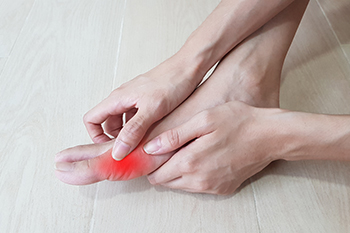
Gout is a painful form of arthritis that often affects the big toe joint. It develops when uric acid builds up in the body and forms sharp crystals inside a joint. Uric acid is a waste substance that normally dissolves in the blood and leaves the body through urine. The first stage of gout is called asymptomatic. During this stage, uric acid levels rise, but there are no symptoms. The second stage is acute gout, also known as a gout attack. Sudden pain, swelling, redness, and warmth may occur in the joint, often in the big toe. The third stage is called intercritical gout. Pain disappears during this period, but uric acid may still collect in the joints between attacks. The fourth stage is chronic gout. Large crystal deposits called tophi can form under the skin and may damage joints over time. A podiatrist can diagnose gout, evaluate joint damage, and provide treatment to manage symptoms and protect foot health. If you have symptoms of gout, it is suggested that you make an appointment with a podiatrist for an exam, diagnosis, and treatment.
Gout is a painful condition that can be treated. If you are seeking treatment, contact one of our podiatrists from Summerlin Foot & Ankle. Our doctors will treat your foot and ankle needs.
What Is Gout?
Gout is a form of arthritis that is characterized by sudden, severe attacks of pain, redness, and tenderness in the joints. The condition usually affects the joint at the base of the big toe. A gout attack can occur at any random time, such as the middle of the night while you are asleep.
Symptoms
- Intense Joint Pain - Usually around the large joint of your big toe, and it most severe within the first four to twelve hours
- Lingering Discomfort - Joint discomfort may last from a few days to a few weeks
- Inflammation and Redness -Affected joints may become swollen, tender, warm and red
- Limited Range of Motion - May experience a decrease in joint mobility
Risk Factors
- Genetics - If family members have gout, you’re more likely to have it
- Medications - Diuretic medications can raise uric acid levels
- Gender/Age - Gout is more common in men until the age of 60. It is believed that estrogen protects women until that point
- Diet - Eating red meat and shellfish increases your risk
- Alcohol - Having more than two alcoholic drinks per day increases your risk
- Obesity - Obese people are at a higher risk for gout
Prior to visiting your podiatrist to receive treatment for gout, there are a few things you should do beforehand. If you have gout you should write down your symptoms--including when they started and how often you experience them, important medical information you may have, and any questions you may have. Writing down these three things will help your podiatrist in assessing your specific situation so that he or she may provide the best route of treatment for you.
If you have any questions, please feel free to contact our office located in Las Vegas, NV . We offer the newest diagnostic and treatment technologies for all your foot care needs.
Ankle Sprain Symptoms and Grades
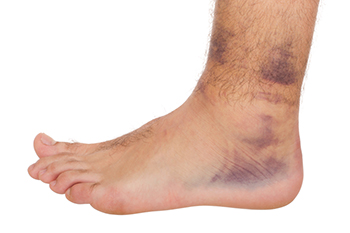
An ankle sprain is a common musculoskeletal injury that occurs when the ligaments supporting the ankle stretch or tear due to sudden twisting or rolling of the joint. Causes often include sports activities, uneven surfaces, wearing improper footwear, or missteps during daily movement. Risk factors include previous ankle injuries, weak ankle muscles, poor balance, and high-impact activities. Symptoms typically involve pain, swelling, bruising, tenderness, and difficulty bearing weight. A mild or Grade I sprain involves slight ligament stretching. A moderate or Grade II sprain includes partial tearing with noticeable swelling. Lastly, a severe or Grade III sprain is a complete ligament tear causing instability. A podiatrist can provide an accurate diagnosis, personalized treatment, and rehabilitation. If you have endured an ankle sprain, it is suggested that you consult a podiatrist who can offer effective relief and treatment solutions.
Although ankle sprains are common, they aren’t always minor injuries. If you need your ankle injury looked at, contact one of our podiatrists from Summerlin Foot & Ankle. Our doctors can provide the care you need to keep you pain-free and on your feet.
How Does an Ankle Sprain Occur?
Ankle sprains are the result of a tear in the ligaments within the ankle. These injuries may happen when you make a rapid shifting movement while your foot is planted. A less common way to sprain your ankle is when your ankle rolls inward while your foot turns outward.
What Are the Symptoms?
- Pain at the sight of the tear
- Bruising/Swelling
- Ankle area is tender to touch
- In severe cases, may hear/feel something tear
- Skin discoloration
Preventing a Sprain
- Wearing appropriate shoes for the occasion
- Stretching before exercises and sports
- Knowing your limits
Treatment of a Sprain
In many cases, the RICE method (Rest, Ice, Compression, and Elevate) is used to treat ankle sprains. However, you should see a podiatrist to see which treatment option would work best with your injury. In severe cases, surgery may be required.
It is important to ask your doctor about rehab options after you receive treatment for your injury. Stretching, strength training, and balance exercises may help the ankle heal while also preventing further injury.
If you have any questions, please feel free to contact our office located in Las Vegas, NV . We offer the newest diagnostic and treatment technologies for all your foot care needs.
Big Toe Pain

Osteoarthritis in the big toe, often called hallux rigidus, occurs when the cartilage in the joint at the base of the toe gradually wears down. This joint plays an important role in walking, especially during push-off. Over time, repeated stress, prior injury, or inherited foot structure can lead to joint damage. Patients often notice pain and stiffness in the big toe, particularly when bending it upward. The joint may appear swollen, enlarged, or develop a visible bump from bone spurs. Shoes with a narrow toe box can make the discomfort worse, and walking or running may become difficult. As the condition progresses, motion in the joint becomes limited and the pain may increase. A podiatrist can evaluate the joint, obtain imaging if needed, and determine the stage of arthritis. Treatment may include shoe modifications, custom orthotics, anti-inflammatory care, and targeted exercises. In advanced cases, surgical options may be discussed. If you have osteoarthritis in the big toe, it is suggested that you make an appointment with a podiatrist for proper evaluation and care.
Toe pain can disrupt your daily activities. If you have any concerns, contact one of our podiatrists of Summerlin Foot & Ankle. Our doctors can provide the care you need to keep you pain-free and on your feet.
What Causes Toe Pain?
Most severe toe pain is caused due to a sports injury, trauma from dropping something heavy on the toe, or bumping into something rigid. Other problems can develop over time for various reasons.
Toe pain can be caused by one or more ailments. The most common include:
- Trauma
- Sports injury
- Wearing shoes that are too tight
- Arthritis
- Gout
- Corns and calluses
- Hammertoe
- Bunions
- Blisters
- Ingrown toenails
- Sprains
- Fractures (broken bones)
- Dislocations
When to See a Podiatrist
- Severe pain
- Persistent pain that lasts more than a week
- Signs of infection
- Continued swelling
- Pain that prevents walking
Diagnosis
In many cases the cause of toe pain is obvious, but in others, a podiatrist may want to use more advanced methods to determine the problem. These can range from simple visual inspections and sensation tests to X-rays and MRI scans. Prior medical history, family medical history, and any recent physical traumatic events will all be taken into consideration for a proper diagnosis.
Treatment
Treatments for toe pain and injuries vary and may include shoe inserts, padding, taping, medicines, injections, and in some cases, surgery. If you believe that you have broken a toe, please see a podiatrist as soon as possible.
If you have any questions please contact our office located in Las Vegas, NV . We offer the newest diagnostic and treatment technologies for all your foot and ankle needs.
Definition of Hammertoe
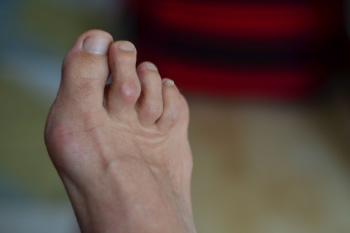
Toe deformities can affect comfort, balance, and the way shoes fit, but not all bent toes develop in the same way. Hammertoe occurs when the middle joint of the toe bends downward, often leading to rubbing, corns, or irritation on the top of the toe. Claw toe involves multiple joints, with the toe lifting at the base joint and curling downward at the remaining joints, which can create pressure on both the toe tip and the ball of the foot. Additionally, mallet toe affects only the joint closest to the toenail, causing the tip of the toe to point downward and press into footwear. Muscle imbalance, nerve conditions, footwear, and long-standing pressure all play a role. Early recognition helps limit progression and discomfort. If toe changes, pain, or skin irritation develop, it is suggested that you see a podiatrist for a proper diagnosis and appropriate treatment.
Hammertoe
Hammertoes can be a painful condition to live with. For more information, contact one of our podiatrists from Summerlin Foot & Ankle. Our doctors will answer any of your foot- and ankle-related questions.
Hammertoe is a foot deformity that affects the joints of the second, third, fourth, or fifth toes of your feet. It is a painful foot condition in which these toes curl and arch up, which can often lead to pain when wearing footwear.
Symptoms
- Pain in the affected toes
- Development of corns or calluses due to friction
- Inflammation
- Redness
- Contracture of the toes
Causes
Genetics – People who are genetically predisposed to hammertoe are often more susceptible
Arthritis – Because arthritis affects the joints in your toes, further deformities stemming from arthritis can occur
Trauma – Direct trauma to the toes could potentially lead to hammertoe
Ill-fitting shoes – Undue pressure on the front of the toes from ill-fitting shoes can potentially lead to the development of hammertoe
Treatment
Orthotics – Custom made inserts can be used to help relieve pressure placed on the toes and therefore relieve some of the pain associated with it
Medications – Oral medications such as anti-inflammatories or NSAIDs could be used to treat the pain and inflammation hammertoes causes. Injections of corticosteroids are also sometimes used
Surgery – In more severe cases where the hammertoes have become more rigid, foot surgery is a potential option
If you have any questions, please feel free to contact our office located in Las Vegas, NV . We offer the newest diagnostic and treatment technologies for all your foot care needs.
